
By Saskia, a passionate outdoor enthusiast who sets up her tent at least three times every summer, sometimes in the Veluwe, sometimes in the Ardennes, and if possible somewhere in Sweden where it never really gets dark at night.
Last August, at half past one in the night, I was on a mountain in Limburg searching for my flashlight. I had stuffed it somewhere at the bottom of my backpack, along with the pasta, the wet socks, and my wallet. Since that night, I promised myself: I will never go into the woods unorganized again. And when I recently saw my calendar for May and June 2026 filling up with festivals, a glamping weekend with friends, and a long weekend trip to the Eifel, I thought: time for an honest checklist. Not a neat list from a glossy magazine. Just the gear I really take every time, and the gear I’m adding to my pack for the first time this season.
Why 2026 will be the year of smart camping
A fair observation: the camping landscape has changed enormously in a few years. Where my father used to go out with a bulky canvas tent and a cast-iron pan, we now look at weight per gram, whether something is USB-C rechargeable, and if it fits in a backpack that you can easily take on a budget airline. Glamping is no longer just for lazy people; it’s a legitimate way to be outdoors without sticky mornings in a clammy sleeping bag. And festivals, well, you learn more about your gear in two days there than in a whole summer of vacation.
What I’ve noticed this year: I want fewer things, but better things. Multifunctional where possible, and sustainable where it makes sense. Below, I go through my checklist, divided into five categories, with honest points to consider and a few tips I’ve learned firsthand.
1. The backpack: the heart of your entire setup
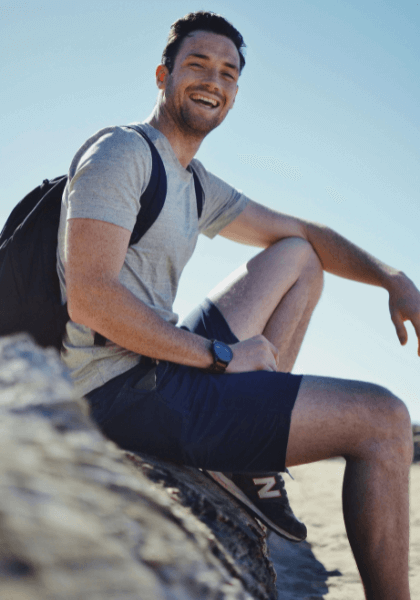
If I’ve learned one thing, it’s this: the wrong backpack can ruin your entire weekend. Too small and you cram everything in; too big and you carry unnecessary weight. For a multi-day trip with a tent, sleeping bag, cooking gear, and change of clothes, sixty to seventy liters is just right. Smaller than that and it becomes a puzzle; bigger and you’re tempted to bring things you won’t use anyway.
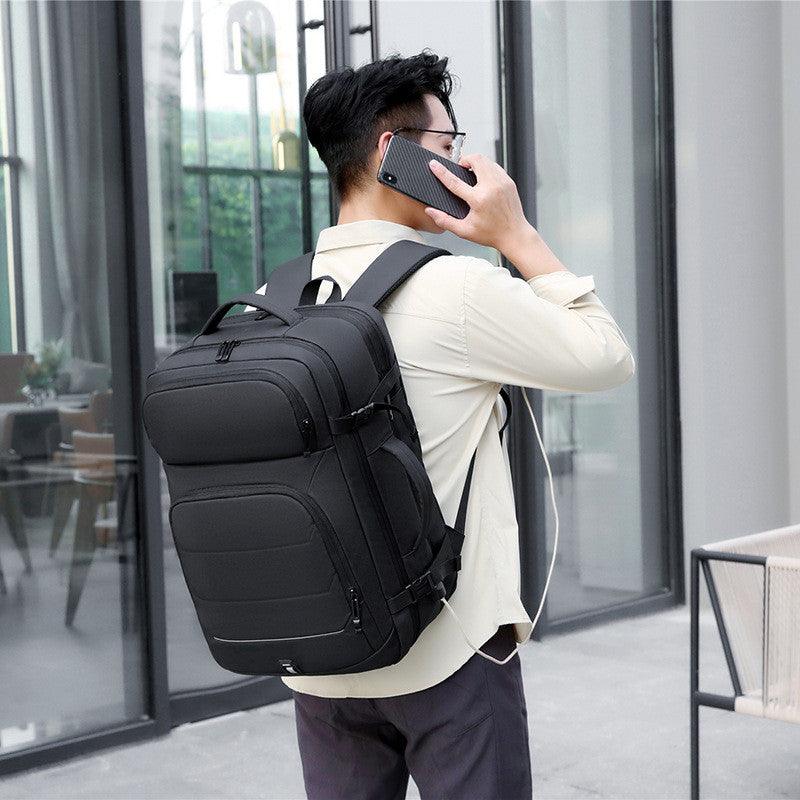
This season, I am using the 70L Nylon Camping Backpack with Rain Cover. The integrated rain cover is not just marketing talk; that thing saved me last September during a summer downpour in Drenthe. My sleeping bag stayed dry, my tent too, and the side pockets were enough for my water bottle, snacks, and a first aid kit. The sturdy hip belt transfers the weight to your hips instead of your shoulders. A detail that is underestimated until you’ve spent a day trudging through soft sand.

For shorter trips, a city trip to Berlin, a day trip to the dunes, or a glamping weekend where you don’t bring your entire camp, I use a second, smaller option: the A-Pack Travel Backpack. It’s expandable, so if I need to stuff a sweater or a wet towel in it along the way, I still have room. That expandability sounds like a gimmick but it’s not. It saves me annoyance on every return trip.
My tip: always choose a backpack based on your own back length, not your height. Someone who is 1.80 m tall with a short back needs a different size than someone 1.80 m tall with a long back. Always try it on beforehand, even if you order online. Walk around the living room with some books inside. Does it feel comfortable? Keep it. Does it pinch anywhere? Return it.
2. Hydrating, cooking, and eating without hassle
Eating and drinking outdoors is one of my greatest pleasures of camping. But it quickly becomes a nightmare if your gear isn’t right. A leaking water bottle in your backpack is a nightmare. Losing cutlery in the grass is even worse.
Since last year, my water bottle has been the ActiveHydrate water bottle. BPA-free, waterproof, and with a cap that still seals perfectly even after fifty openings and closings. I’ve had bottle competitors that started leaking after two weeks. Not this one. And the capacity is just right for a day of hiking with one refill stop at a drinking fountain or campsite.
For cooking and eating, I want as little hassle as possible. For years, I carried around a half-broken plastic cutlery pouch from Action, and sometime last year I decided it was time for something serious. The 4 in 1 Foldable Cutlery snaps together like a Swiss army knife—knife, fork, spoon, and bottle opener all in one mini aluminum case. It weighs almost nothing, fits in an inner pocket of my backpack, and it’s nearly impossible to lose because it’s so distinctive.

For the evenings when we want to barbecue, and that’s often for us, I use the 3-Way Stainless Steel BBQ Skewers. Three prongs instead of one, so your vegetables and pieces of meat don’t spin when you turn them. Sounds small, but it makes a huge difference. And they’re dishwasher safe, which is just nice at home after the camping weekend.
3. Sleeping, cooling, and comfort at the campsite
One of the big mistakes I used to make was not thinking enough about sleep comfort. I thought I was tough. Until after three nights on a thin mat, my back felt like a wooden plank. For a few years now, I’ve consciously invested in my sleep system. A good self-inflating mattress, a sleeping bag suited to the season, and a foldable inflatable pillow. Not sexy, but essential.
And then the hot point. Literally. Summer 2026 will be warm again. The forecasts for May to August are around or above the long-term average. A tent in an unshaded field in Brabant can reach forty degrees by half past ten in the morning. You won’t sleep in that, you’ll roast. My lifesaver is the USB Car Fan. It’s meant for the car but works on any USB port, so also on my power bank in the tent. I hang it on a loop inside my tent, and it easily lowers the perceived temperature by a few degrees. Not luxury, but crucial for whether you sleep one hour or four hours.

Other small but important tips for warm nights:
- Sleep on an insulating mat even in summer. Not for the warmth of the mat itself, but because the ground gets cold at night.
- Hang a light-colored, thin towel over your tent during the day. It reflects the sun and keeps the inside cooler.
- Drink a bottle of water in the evening before going to sleep. You can’t fall asleep well if you’re dehydrated.
- Open your tent two hours before sunrise if you’re an early riser. The coolest air of the day flows in then.
4. Children, festivals, and outdoor activities
What I will really do differently in 2026 is bring more activities. Not just lying on a field reading all day. Last year, on a long weekend with friends, I brought a simple bow with soft foam arrows, and honestly, that thing was the hit of the weekend. Adults, kids, four-year-old nephews, and forty-year-old friends, everyone wanted to shoot. I use the Adventure Bow Kit for active outdoor fun. Safe, kid-friendly, and you can spend a whole day with it.
For those bringing kids: think ahead about what to do if it rains. A tent with three kids, three iPads, and no plan is a recipe for irritation. I stick a note inside my backpack with five activities that always work. A card game, a simple board game, a nature scavenger hunt (without a real route, just counting or searching for things), a role-playing game, and a group storytelling round before bedtime. Costs zero euros, saves a lot of arguments.
For festivals, it’s different. You want compact, sturdy, and inexpensive. I never bring my expensive stuff to festivals. An old backpack, a cheap sleeping bag, and I plan in advance which item goes in which compartment. At Lowlands or Down The Rabbit Hole last year, it took me three minutes to find my phone, wallet, and power bank in my backpack. Before, it took ten.
5. The little things that make the difference
There are a few items that never fit into a main category, but I never get rid of them.
- Tape. Regular duct tape, a few meters wrapped around a pencil. I’ve repaired tents, shoes, and once a broken pair of glasses with it. Nine grams, infinitely useful.
- A tealight candle. Not for ambiance, but because it’s surprisingly good at gently warming up your tent in cold, damp tents before going to sleep. Make sure to ventilate, and don’t leave it burning while sleeping.
- Earplugs. Festivals, busy campsites, snoring friends. Three packs of five, one in each compartment spread out. I always lose one again.
- A power bank of at least twenty thousand mAh. My USB fan, my phone, my headlamp, everything runs on USB-C. A large power bank is heavy but indispensable.
- A good coffee brewing method. For me personally. An Aeropress and a mini grinder. The difference between instant coffee and real coffee on a morning in the forest is, to me, the definition of happiness.
My packing order, for what it's worth
People sometimes ask me how I pack my backpack. I have a fixed order that works for me. The sleeping bag goes at the bottom because I only need it in the evening. Then my tent, folded and in a separate bag. Then clothes, rolled instead of folded, because rolling saves space and wrinkles. On top of that, cooking and eating gear in a separate bag so I can take it out as one unit. At the very top: rain jacket, first aid kit, and all the things I’ll probably need on the way. My water bottle in the side pocket. Snacks in the hip belt pocket. Power bank and cables in a zipped top pocket. After three times camping, you can do the packing plan on autopilot, and that’s exactly what you want.
Frequently asked questions for summer 2026
What backpack size do I need for one weekend of camping?
For two to three nights with your own tent and sleeping bag, forty to sixty liters is fine. For four nights or more, or if you bring a lot of cooking gear, go towards sixty to seventy liters. For city trips or glamping where you don’t bring a tent, thirty to forty liters is plenty.
Can I bring a gas burner on the plane?
Usually the burner itself, packed in checked luggage. Almost never the gas canister. Plan to buy that at your destination. In France, Germany, and Belgium, you can find them at every camping store.
What is the difference between wild camping and glamping?
Wild camping is done in nature, often in designated or tolerated spots, with your own full equipment. Glamping is comfortable camping at a campsite, often in pre-set safari tents, lodges, or bell tents. Between those two lies a whole world of campsites from classic to luxurious. For summer 2026, I especially see growth in mid-range options where you pitch your own tent but use comfortable facilities.
How do I keep my tent cool in the summer?
Seek shade, ventilate, use a light towel over the tent during the day, and if it gets really hot, use a USB fan inside. Don’t zip the tent closed during the day in the sun, or the inside temperature will be over forty degrees after an hour.
Finally: the mindset
Perhaps the most important tip I have for the 2026 camping season is this: don’t see it as an achievement, but as a break. The pressure to make your perfect camping video for social media backfires. My best moments were without a phone, without taking photos, with dry socks, coffee, and a good conversation. The gear makes it possible, the mindset makes it valuable.
I hope this checklist helps make your summer 2026 run a little smoother. Feel free to email me if you have a specific question about a product or if you have a tip that really belongs here. I update this guide throughout the season based on what I try out myself.
Out in the forest.
Saskia